Blog
The True Meaning of Pha That Luang

Please log in to continue

The True Meaning of Pha That Luang
April 02, 2026


The True Meaning of Pha That Luang
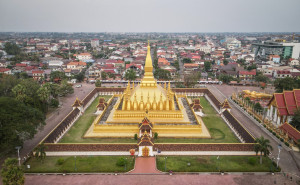
When visitors stand before the breathtaking golden spires of Pha That Luang in Vientiane, they are often captivated by its sheer scale and brilliant architecture. However, the true significance of this national symbol goes much deeper than its stunning exterior. To fully appreciate this monument, one must understand the local language and the ancient traditions that shaped it. While Western and European travelers frequently use the Indian term "stupa" to describe these structures, the authentic Lao word is "That". The origins of the stupa trace back to India, where the very first one was constructed for a highly sacred purpose: to contain the bones of the Buddha. Over the centuries, as Buddhism spread and evolved, this profound tradition was adapted to serve the wider community. Eventually, these monuments were built to safeguard the remains of normal people, monks, kings, and royal families.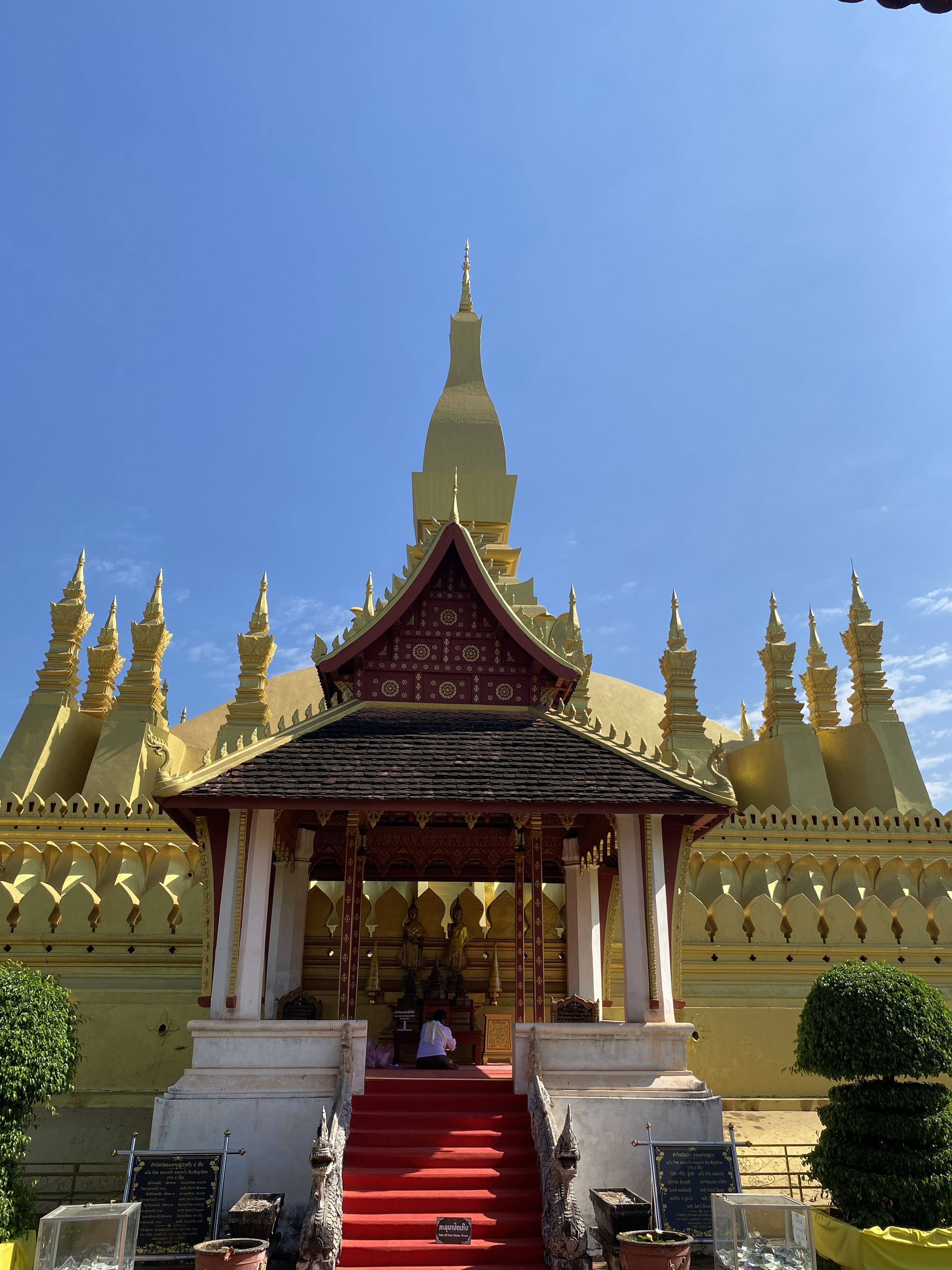
The word "That" is derived from the Pali language, referring specifically to a monument containing the physical relics of the deceased. In local Buddhist tradition, when a person passes away, their body is cremated. This deeply rooted ritual takes place inside a crematorium, typically located within a temple in the suburbs, where the body is cremated using a traditional wooden pyre rather than modern gas. After the ceremony, the remaining bones are carefully collected, placed into a small urn, and finally housed inside a "That". Usually, one stupa is dedicated to one person, but the tradition also holds space for deep human connections. Some couples or families who shared a profound love in life choose to have their remains placed together in a special, shared stupa so they can rest side by side.
Understanding these emotional and spiritual end-of-life rituals completely transforms the experience of visiting Pha That Luang. It is not merely a beautiful golden tourist attraction shining under the blue sky; it is the most majestic and culturally significant "That" in the entire country. It stands as a monumental tribute to the deeply ingrained Buddhist faith and the authentic practices of the Lao people.