Blog
Sri Lanka: A Journey into Living Heritage and Spiritual Life

Please log in to continue

Sri Lanka: A Journey into Living Heritage and Spiritual Life
July 23, 2026


Sri Lanka - When Gentleness Becomes a Destination's Identity
Some destinations linger in our memory due to their splendor, grand structures, or bright avenues. Sri Lanka, however, reveals itself in a completely different way: more subtle, slower, and somewhat rustic.
From a tourism perspective, this island nation does not try to present itself with glitz or overwhelming constructions, but rather with the enduring values of culture, nature, and people. Despite recovering from a severe economic crisis in 2022 - with streets occasionally dimly lit or shops closing early - Sri Lanka retains a core quality that cannot be mistaken: its gentleness. This gentleness is not a slogan; it lies in the way people speak softly, smile gently, greet with "Ayubowan", or offer white Araliya flowers in a guest reception ritual. Rather than viewing its unpolished backdrop as poverty, it is a slice of developmental reality of a nation still lacking resources but seeking recovery while maintaining its unique lifestyle.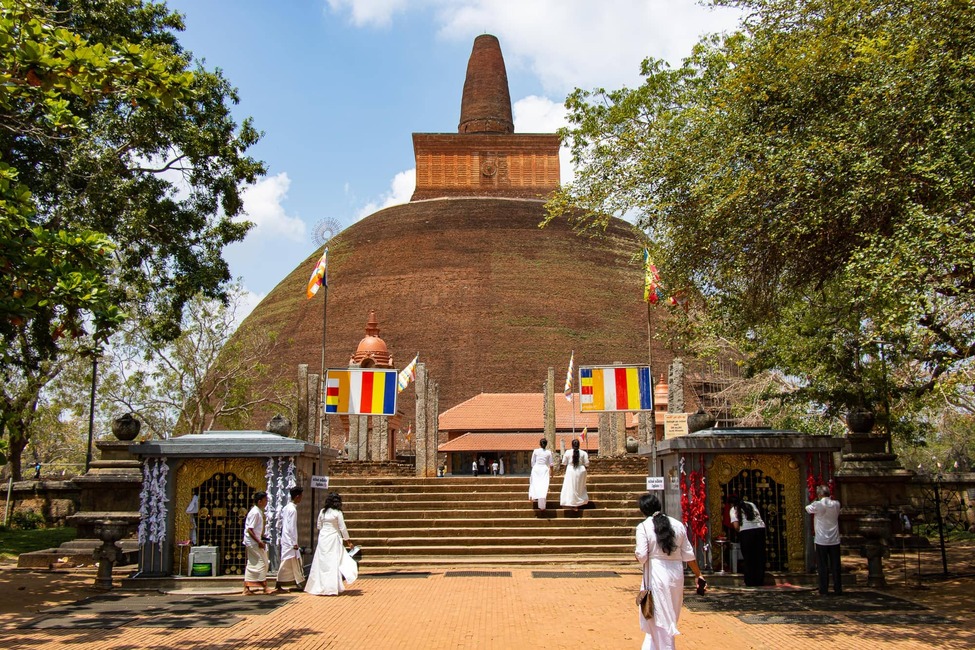
Anuradhapura and the Concept of "Living Heritage"
The deepest touchpoint of Sri Lanka is Buddhism, which opens up a quieter, deeper, and spiritually uplifting layer of perception for the post-crisis social space. In the ancient city of Anuradhapura - a thriving political and religious capital for 1,300 years - sacredness does not impress with displays but with quietness.
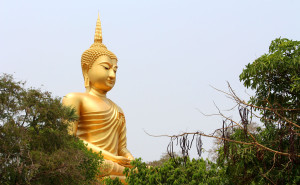
The heart of this sacred site is the Sri Maha Bodhi - a branch from the "tree of enlightenment" brought to the island in the 3rd century BC. Standing before this ancient tree, the past does not reside in explanatory plaques but continues to live in rituals, serving as a typical expression of the concept of "living heritage". The requirement for visitors to remove their shoes and walk barefoot on hot stone floors, alongside the rule against taking selfies with Buddha statues, are not meant to inconvenience tourists. Rather, they serve as profound reminders that you are entering a sacred space - a spiritual space for others, not just a tourism backdrop for image consumption.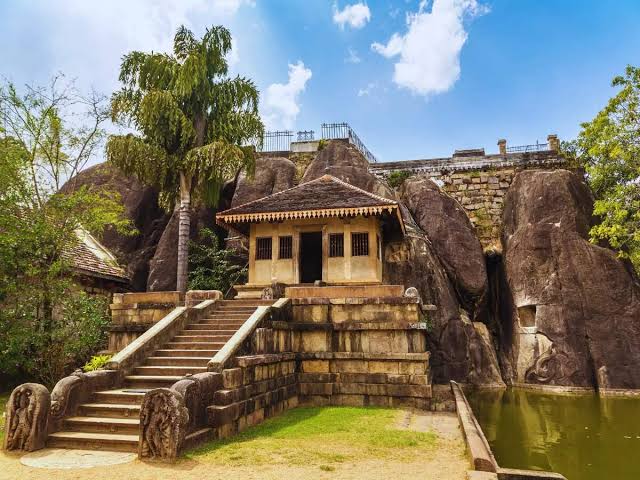
Kandy - The Precious Silence of a Heritage City
This reflective atmosphere continues in the hill city of Kandy, the last capital of the Sinhala kings and home to the Temple of the Tooth Relic. Kandy shows that this religion still plays a crucial role in the rhythm of activities, rituals, and cultural identity of Sri Lanka today.
The pace of life around the temple is remarkably tranquil. Around 7:30 PM, many shops close, the streets quiet down, and the pace slows. This city perfectly reflects the overall impression of the destination: an island nation that speaks softly, moves slowly, and maintains a precious quietness in its sacred spaces.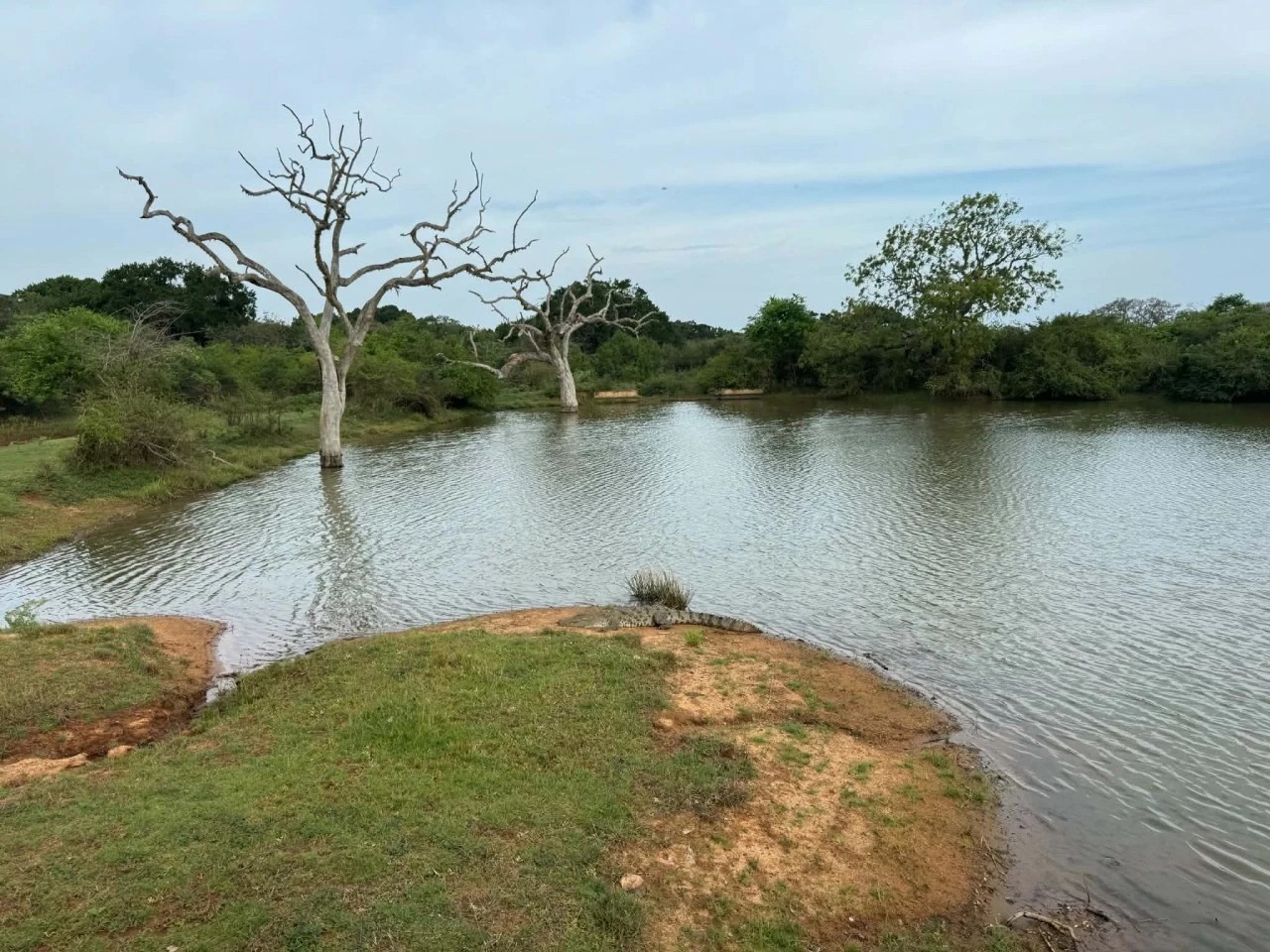
A Lesson in Sustainable Travel
The journey through Sri Lanka's sacred sites offers a very important lesson in managing religious heritage. The more sacred a destination, the more it needs to balance tourism access with respect for the practicing community.
Guided by the philosophy "A Bridge to Cultures and Identities", Explore Real Asia (ERA) believes that sustainable travel begins with humility. Tourists may come to admire, learn, and photograph, but these activities should begin with the understanding that they are stepping into the living, spiritual space of others. Exploring Sri Lanka is far more than just a sightseeing trip - it is an opportunity to connect with a deeply authentic and gentle identity. Visit our Sacred Ceylon Sri Lanka - A Cultural & Spiritual Journey 7D6N for more!