
Blog
Po Nagar Cham Towers: Nha Trang's Heritage Gem

Please log in to continue

Po Nagar Cham Towers: Nha Trang's Heritage Gem
June 05, 2026


Po Nagar Cham Towers: Nha Trang's Heritage Gem
Po Nagar Cham Towers is one of Nha Trang's most meaningful heritage sites, combining ancient Cham history, sacred belief, and striking architecture in one memorable stop. Set on Cu Lao Hill with views over the Cai River and the city beyond, the site offers travelers a deeper look at the cultural side of Nha Trang while still feeling easy to fit into a coastal itinerary. From its long history and spiritual importance to its distinctive brick towers and living traditions, Po Nagar Cham Towers is one of the highlighted attractions in our June Promotion Tour - 8D7N Vietnam Beach Paradise and a stop that brings both heritage and character to the journey.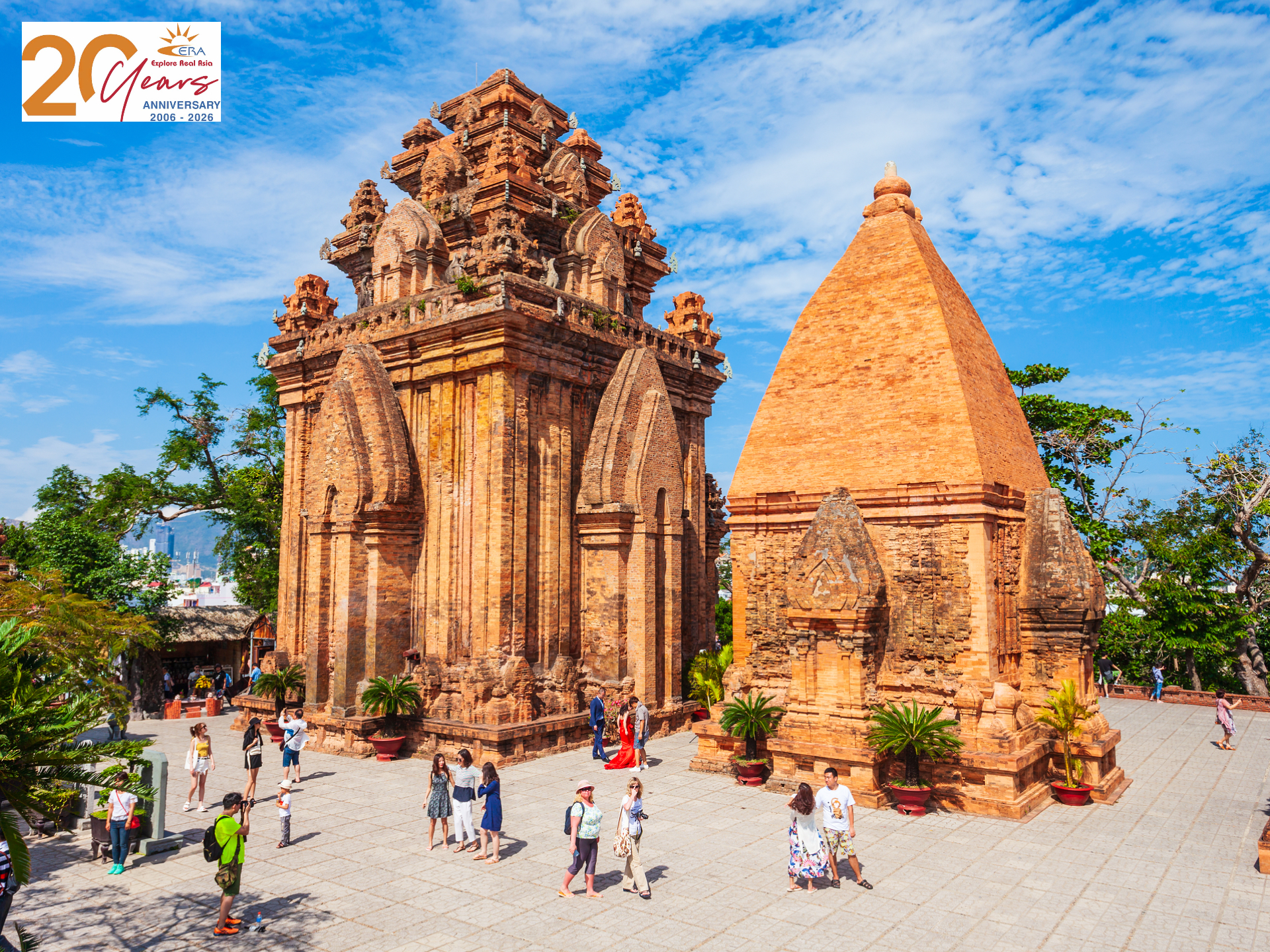
Po Nagar Cham Towers stands on Cu Lao Hill beside the Cai River and about 2 kilometres north of the city centre. The complex dates back to the 7th to 13th centuries, and it remains one of the clearest symbols of Cham history in the area. Its hilltop location and riverside setting give the site a strong visual presence, with mountain and river scenery adding to the experience for visitors.
What makes Po Nagar especially meaningful is its religious role. The towers were built to honour Queen Po Ina Nagar, who is remembered in Cham belief as the goddess of creation and a figure linked with harvest, peace, and prosperity. That spiritual meaning is one reason the site continues to hold such a strong place in the cultural memory of Nha Trang and the wider Cham world. In 1979, the tower complex was classified as a national monument, which shows how important it is as both a sacred place and a historic landmark.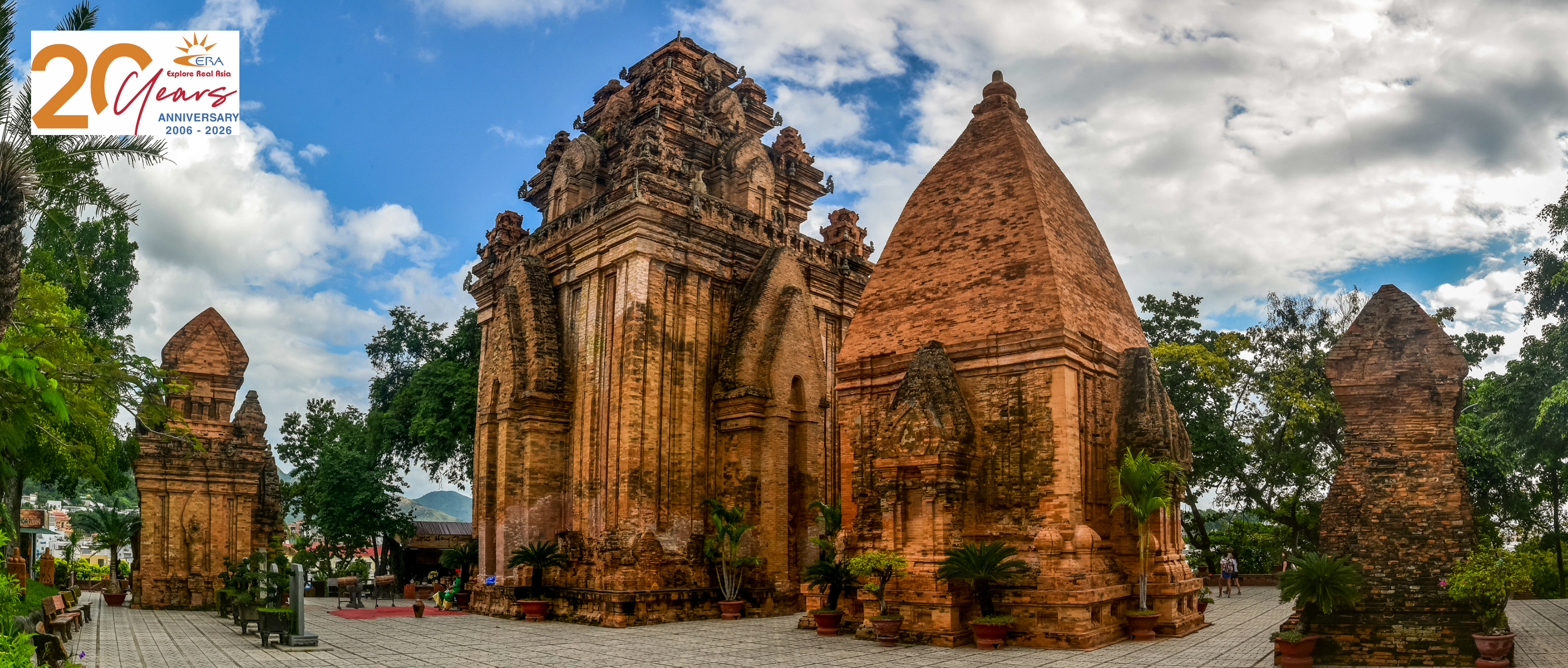
The architecture is another reason people are drawn to Po Nagar Cham Towers. The site is arranged into four main areas, including the gate tower, the Mandapa vestibule, the temple and tower area known as Kalan, and the inscription area. Even though some parts have changed through time, the remaining structures still show the strength of Cham building traditions. The red brick towers, carved details, and mortarless construction techniques give the complex a distinct look that feels different from many other heritage sites in Vietnam.
Visitors often begin by looking at the gate tower area, which once served as a monumental entrance to the complex. From there, the Mandapa offers a space that was traditionally used to prepare offerings before ceremonies. Moving upward, the main temple and tower area remains the most striking part of the visit, with the statue of the Mother Goddess Po Ina Nagar standing as the spiritual centre of the site. Together, these parts create a journey through space, belief, and history rather than just a simple sightseeing stop.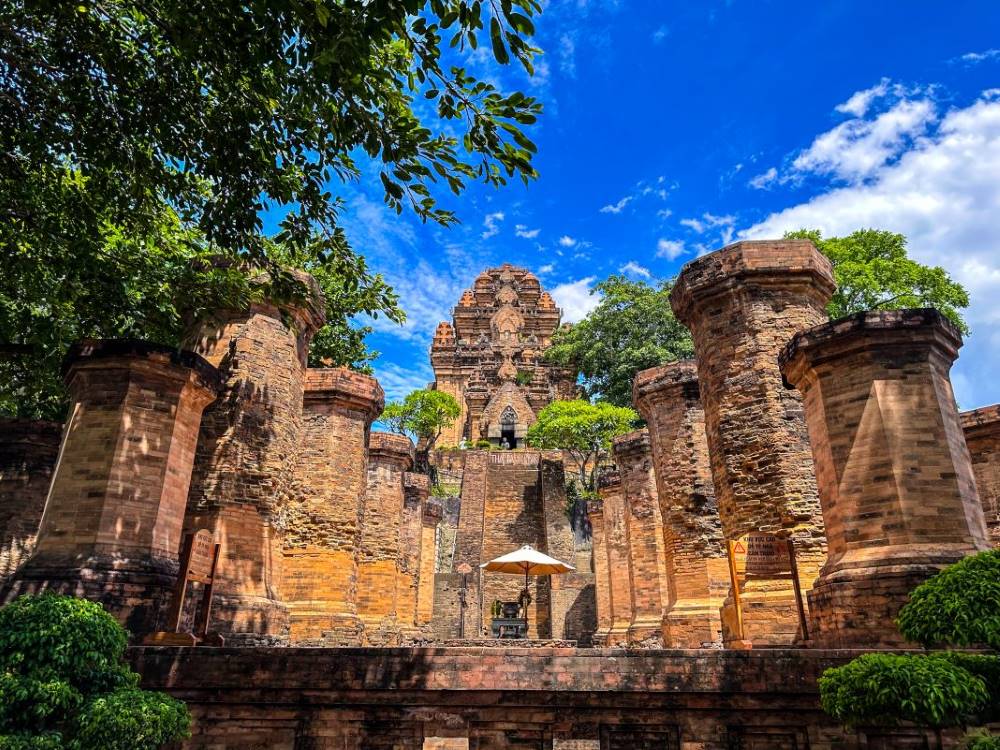
The atmosphere around Po Nagar is calm but also active in a cultural sense. Many travellers come not only to admire the site, but also to experience a living tradition that continues to shape local religious life. The temple complex remains a place of prayer, and many visitors choose to come in the third lunar month, when the largest Cham festival in the Central Highlands and South Central regions is held. During that time, people come to offer incense, pray, and take part in folk activities linked with the worship of Thien Y Ana Holy Mother.
For many first-time visitors, Po Nagar Cham Towers is also one of the most practical heritage stops in Nha Trang. It opens from 8:00 a.m. to 6:00 p.m., and the ticket fee is 25,000 VND per person per visit. The location is easy to reach from the city centre, and the visit can fit comfortably into a half-day itinerary. Early morning or sunset are especially good times to go, not only because of the light, but also because the site is often best enjoyed at a slower pace. Modest clothing is recommended because the towers remain a sacred place.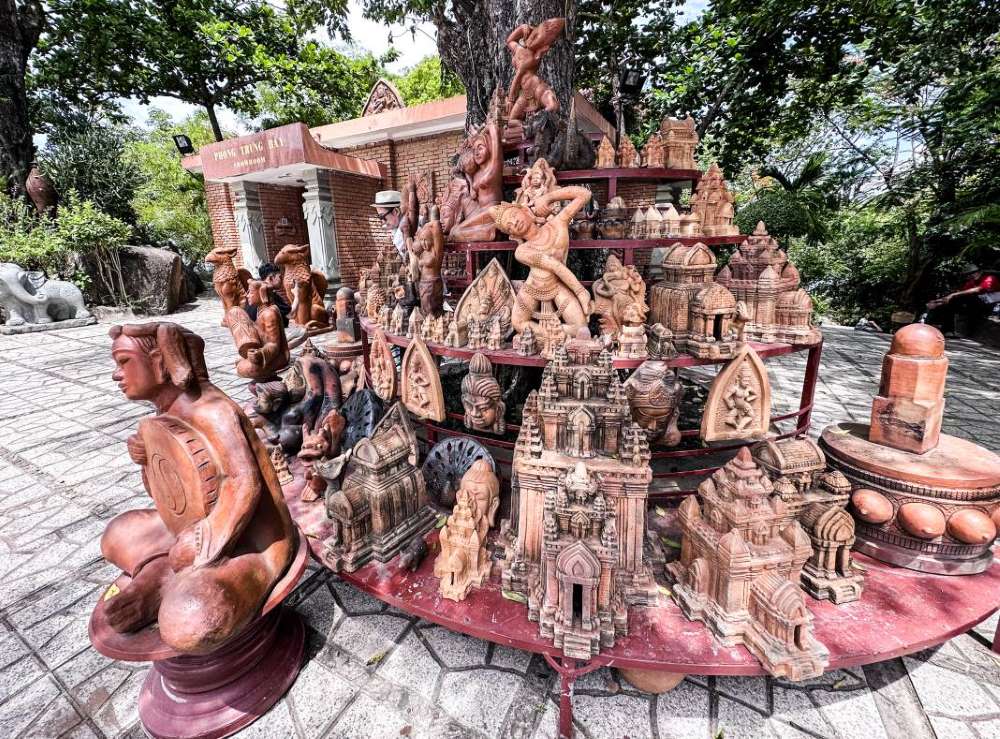
Po Nagar Cham Towers also works well as part of a wider Nha Trang journey. Its position near the city centre makes it easy to combine with other coastal or cultural stops, but even on its own it offers enough history and atmosphere to feel memorable. The site captures something essential about Nha Trang: a place where ancient heritage, sacred tradition, and natural scenery continue to live side by side. For travellers who want to understand the city beyond its beaches, this is one of the most important places to visit.


